The Evolution of Immersive Gaming: How Does AR Enhance Live Casinos?
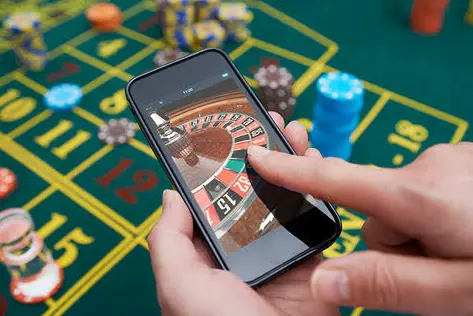
The digital gambling landscape is undergoing a tectonic shift, driven by the insatiable demand for hyper-realistic experiences. 🎰 In this transformative era, the integration of Augmented Reality (AR) into live dealer environments is not merely an upgrade; it is a complete redefinition of player engagement. By overlaying computer-generated perceptual information onto the physical world, AR bridges the tactile gap that has historically separated virtual play from the hallowed floors of Monte Carlo or Macau. This technology superimposes critical data—such as real-time odds, historical statistics, and biometric feedback—directly onto the player's field of view, creating a symbiotic relationship between the digital interface and the physical dealer.
Elevating Operational Efficiency and Dealer Interaction
From a technical standpoint, the deployment of AR in live dealer studios optimizes both the operator's workflow and the player's situational awareness. Advanced Computer Vision (CV) algorithms track card values and chip stacks instantaneously, relaying this data to the player's device without human error. This reduces latency and increases the rounds per hour, a critical metric for high-volume operators. Furthermore, the technology facilitates a **multi-sensory engagement** layer where players can virtually "touch" cards or chips, receiving haptic feedback that mimics the weight and texture of casino-grade equipment. This level of detail satisfies the rigorous demands of high-stakes bettors who rely on physical cues to inform their strategic decisions.
The Convergence of Data Analytics and Personalized Player Journeys
The true power of AR lies in its ability to turn a standard broadcast into a bespoke data dashboard. Imagine a blackjack table where your AR headset or smartphone camera identifies your seat and projects your personal win/loss ratio, side-bet probabilities, and even a live feed of a professional analyst's commentary directly onto the felt. Operators leveraging this tech can segment players based on real-time behavior, offering dynamic bonuses or VIP lounge access triggered by specific betting patterns. This is not just gambling; it is a curated **algorithmic hospitality** experience that boosts retention rates by catering to the individual psyche of the player. 🃏

Regulatory Compliance and Security Protocols in Augmented Environments
Integrating AR into regulated gambling markets necessitates a robust framework for Know Your Customer (KYC) and Anti-Money Laundering (AML) protocols. AR glasses equipped with retinal scanning or facial recognition can verify a player's identity and age in milliseconds, ensuring compliance with stringent jurisdictional laws. Moreover, the data streams generated within an AR ecosystem are encrypted on the blockchain, providing an immutable ledger of every bet placed and every card dealt. This transparency not only builds trust with regulatory bodies but also mitigates the risk of collusion and fraud, creating a secure ecosystem where the integrity of the game is mathematically guaranteed.
The Future Landscape: Holographic Dealers and Cross-Platform Synergy
Looking ahead, the synergy between AR and 5G connectivity will enable holographic dealers to materialize in a player's living room, capable of eye contact and nuanced gesture recognition. This eliminates the geographical constraints of land-based establishments, allowing a player in Tokyo to interact with a dealer in Las Vegas as if they were seated across the same table. The convergence of AR with Virtual Reality (VR) will further blur the lines, creating mixed-reality casinos where the physical chip in your hand interacts with a digital roulette wheel spinning in a virtual void. The industry is rapidly approaching a tipping point where the distinction between the "online" and "offline" casino becomes irrelevant, replaced by a persistent, augmented reality that offers the best of both worlds. 💎