Neighbor Zero Bet Monaco: How Do You Place It?
The neighbor zero bet in Monaco isn't some polite parlor trick you toss on the felt and forget — it's a thirteen-to-seventeen chip hybrid wager that wraps the wheel's most dangerous real estate in a single, aggressive move. Most players butcher the placement because they treat it like a straight-up number bet, then panic when the dealer sweeps their stack. Get the geometry wrong and you're just donating to the house. Get it right and you're covering a brutal arc of the wheel with surgical precision.
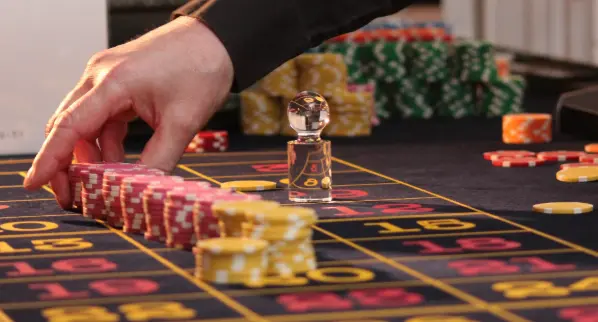
What the Neighbor Zero Bet Actually Covers
The neighbor zero bet is a fixed-ratio spread with no flexibility in its core structure: zero plus the two numbers on each side of it on the physical wheel. On a European single-zero wheel that means the zero, and then 12, 35 on one flank and 26, 3, 15 on the other — seven numbers total in the standard layout, staked with thirteen chips. Two chips land directly on the zero, and one chip each rides the six surrounding pockets. Some Monaco tables run the expanded seventeen-chip variant that stretches one more neighbor onto each end, covering nine numbers instead of seven. 💰 The payout math is the whole game here: a straight-up hit pays 35-to-1, but your total outlay is thirteen or seventeen units, so a single number striking inside the arc nets you a healthy positive swing while a miss costs the full spread.
Step-by-Step Placement at the Monaco Felt
Physical placement is where weak players expose themselves. You announce the wager to the croupier as a call bet — "neighbors of zero, thirteen pieces" — and the dealer places the chips for you, because on most Riviera layouts you're not permitted to hand-place a multi-pocket call bet yourself. Watch the dealer's hands like a hawk. The zero gets the double stack centered in the pocket, and the single chips fan out symmetrically around it. If your dealer fumbles the symmetric fan or misreads the count, correct it before the ball spins — after the spin, the bet is locked and your dispute is worthless. 🎯 Confirm the chip denomination out loud so there's zero ambiguity about the total exposure.

Why the House Edge Still Bites
Here's the part the dream-sellers skip: the neighbor zero bet does not change the underlying house edge one millimeter. Every pocket on a single-zero wheel carries the same 2.7 percent theoretical hold regardless of how you cluster your chips. What the spread does change is variance and payout rhythm. You're trading the lottery-ticket thrill of a lone straight-up for a denser hit frequency — roughly seven out of thirty-seven spins land somewhere inside the arc, versus one out of thirty-seven for a single number. That's a 19 percent strike zone compared to a 2.7 percent prayer. The neighbor zero bet Monaco players favor is a grind tool, not a magic bullet.
The Chip-Count Trap Nobody Warns You About
Count your chips before you slide them forward. The thirteen-chip standard and the seventeen-chip expanded version are not interchangeable, and a sloppy call of "neighbors" without a number lets the dealer pick the cheaper interpretation for the house. Always state the exact piece count. On a 5-euro minimum table, seventeen pieces means an 85-euro commitment per spin — that bleeds fast across a cold session. 🔥 Bankroll discipline separates the operators from the tourists: cap this bet at a fixed percentage of your session stack, never chase a cold arc by doubling the spread, and treat the zero as a coverage anchor rather than a prediction. The wheel has no memory and neither should your staking.
The Dealer Signal You Must Read
Experienced Monaco croupiers spin to a rhythm, and the neighbor zero bet rewards players who track sectional bias without fooling themselves. Log fifty spins, chart how often the ball settles within three pockets of the zero, and compare that frequency to the 18.9 percent baseline. If your sample drifts meaningfully above baseline across a few hundred spins, the spread earns its keep; if it hovers at expectation, you're paying variance tax for entertainment. The math doesn't care about your gut, and the felt doesn't forgive a miscounted stack. Seventeen chips, exact call, symmetric fan — anything less and you've already lost the edge before the ball drops.