The Mechanics Behind Hourly Jackpot Slots and Their Unique Payout Cycles
Hourly jackpot slots operate on a fundamentally different revenue distribution model compared to traditional progressive machines. Instead of allowing a prize pool to swell over weeks or months, these games enforce a mandatory payout window of exactly sixty minutes. The random number generator (RNG) continuously cycles through outcomes, and a dedicated server-side timer triggers the jackpot award once the hour concludes. This structure creates a high-frequency reward environment where volatility is compressed into short, intense sessions. 🎰 Players who understand the underlying algorithm gain a measurable edge in timing their spins and bankroll allocation.
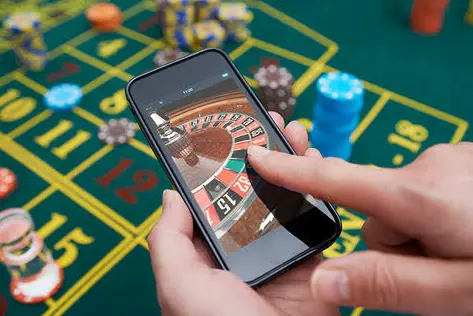
Random Number Generation and the Hourly Reset Protocol
At the core of every hourly jackpot slot lies a certified RNG that operates independently of the payout timer. The RNG determines symbol combinations for each spin, while the hourly timer dictates when the accumulated jackpot fund is released. When the countdown reaches zero, the system scans all active sessions and awards the prize to the player who triggered the winning combination closest to the reset moment. This dual-layer mechanism ensures transparency and prevents manipulation. Operators publish return-to-player (RTP) percentages that typically range from 92% to 96%, with the hourly jackpot contribution often carved out as a separate percentage of each wager.
Contribution Rates and Prize Pool Accumulation Dynamics
Each wager placed on an hourly jackpot slot contributes a predetermined fraction toward the prize pool. This contribution rate, usually between 0.5% and 2%, directly influences the jackpot's growth velocity. The mathematical formula governing pool size is straightforward: total contributions minus administrative fees equal the distributable jackpot. Because the payout occurs every sixty minutes, the pool rarely reaches astronomical figures, but the frequency of wins creates a sustainable entertainment loop. 💰 High-traffic hours naturally produce larger pools, making time-of-day selection a legitimate strategic consideration for seasoned players.

Qualifying Criteria and Trigger Conditions for the Payout
Not every spin qualifies for the hourly jackpot. Most systems require a minimum bet threshold, often set at the maximum coin denomination or a specific multiplier level. Players must also have an active session at the precise moment the timer expires. The trigger condition itself is typically a five-of-a-kind symbol alignment on a designated payline, though some variants use a mystery trigger that activates randomly within the final sixty seconds. Understanding these qualifying criteria prevents wasted spins and maximizes the probability of capturing the hourly prize.
Strategic Timing and Bankroll Management for Hourly Cycles
Effective bankroll management for hourly jackpot slots differs from conventional slot strategy. Because the payout window is fixed, players should calculate their expected spin volume per hour and adjust bet sizing accordingly. Entering a session with ten minutes remaining offers a different risk-reward profile than joining at the top of the hour. 🕒 Experienced players often track pool sizes across multiple operators, identifying machines where the contribution ratio relative to the current jackpot value creates favorable expected value. This data-driven approach separates recreational participants from serious advantage players.
Networked Jackpots and Cross-Platform Synchronization
Many modern hourly jackpot slots operate on networked systems that synchronize payout timers across dozens of casino platforms. This synchronization ensures that a single jackpot cannot be claimed simultaneously by multiple players on different sites. The backend architecture uses atomic transaction processing to guarantee that only one valid claim is recorded per hourly cycle. For players, this means the competition pool is significantly larger, but the prize distribution remains fair and auditable through independent testing agencies.